Does your recovery test meet your RPO and RTO?
After an outage, the warehouse needs to know how many recent transactions must be re-entered and when dispatch can resume. The recovery point objective (RPO) sets the acceptable data-loss window. The recovery time objective (RTO) sets the target for restoring the service. This test measures both for one application.
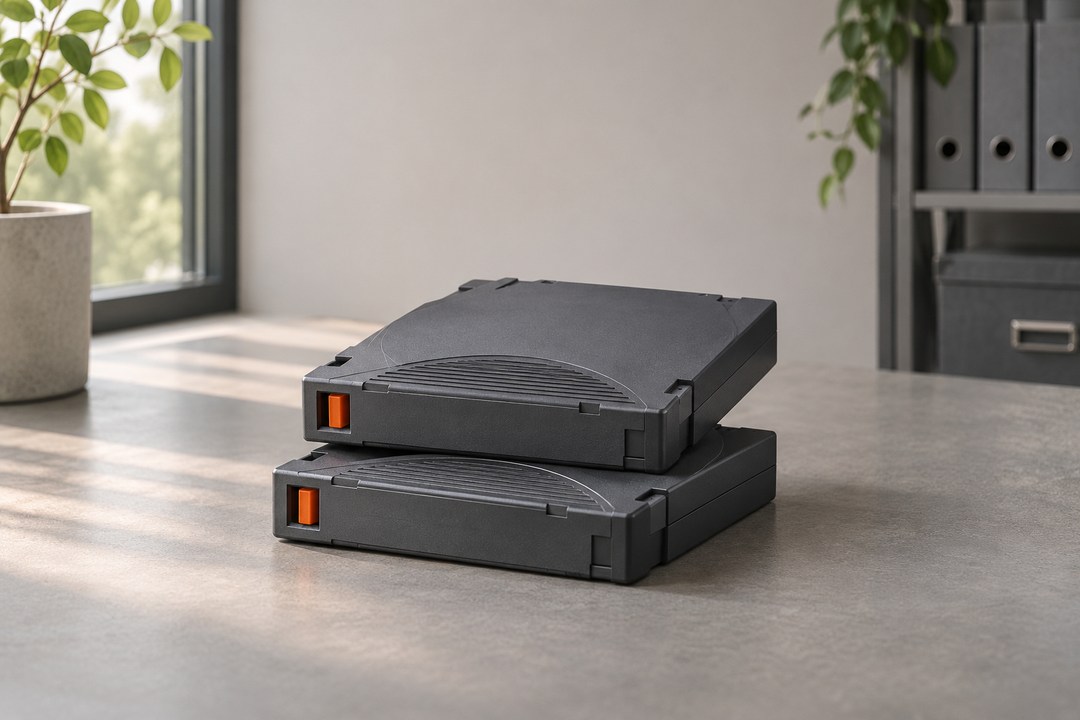
Agree how much data the warehouse can lose and how long it can wait
Set two targets with the process owner. If staff can reconstruct 15 minutes of dispatch records from paperwork, the example RPO is 15 minutes. If they can work manually for at most two hours, the example RTO is two hours. Establish separate targets for accounting.
Map the dependencies
Trace the user journey from sign-in to saving a dispatch. Include identity services, the application, its database and integrations. Record the restore order and owners. A two-hour warehouse target is unrealistic if the only sign-in service takes four hours to restore.
Restore the service and ask a user to test it
Use a separate test environment and disable real notifications and supplier orders. Select a recovery point, record the simulated interruption time and restore dependencies in sequence. Have a user locate a known order and enter a test dispatch. Stop the downtime clock when they confirm the service is usable.
Identify why a target was missed
Separate time spent waiting for a decision, reading backups, starting systems and obtaining business acceptance. Faster storage will do little if most of the delay was spent locating an approver. Assign corrective actions and repeat the test with comparable data.
What does the test establish?
| Observation | Acceptance question | Evidence |
|---|---|---|
| Availability | Can the operator complete the transaction? | A timestamped test dispatch. |
| Data consistency | Up to what point do orders and their line items agree? | Recovered data compared with an independent test log. |
| Downtime | When could the user work again? | Interruption and acceptance times. |
Worked calculation
The interruption starts at 10:20. Control entries were written every minute. An independent log confirms a consistent state through 10:12. At 12:35 the operator enters a new order. The eight-minute recovery gap is within the 15-minute RPO. Restoring service took two hours and 15 minutes, exceeding the RTO by 15 minutes. If entries are infrequent, the last transaction timestamp alone does not measure data loss.
Checklist
- The owner agreed both targets and their business implications.
- The test covers sign-in and transaction dependencies.
- The result records the latest verified entry and acceptance time.
- Each missed target has an owner and a retest date.
Sources and documentation
Related solution
Review the scope and prepare your questions for an initial discussion.
Explore backup and recovery servicesBefore you start a project
What to check before upgrading a server room
Map service dependencies, peak load and the conditions for a safe cutover.
How to size an office switch: PoE budget and uplink capacity
Calculate the power headroom and check whether the uplink can carry peak traffic from the floor to the server room.
Let’s talk about your IT.

IT systems integrator based in Łódź, Poland. Hardware, infrastructure and custom software for businesses.